
Zero-Cost Abstractions: Why Enterprise Infrastructure Is Rewriting Core Services in Rust

Analyzing the migration of critical backend services from Go and Java to Rust for memory safety, deterministic latency, and lower cloud compute footprints.

Shivam Gupta
Shivam GuptaPrincipal Systems Architect & Cybersecurity Editor
Sunday, November 1, 2026
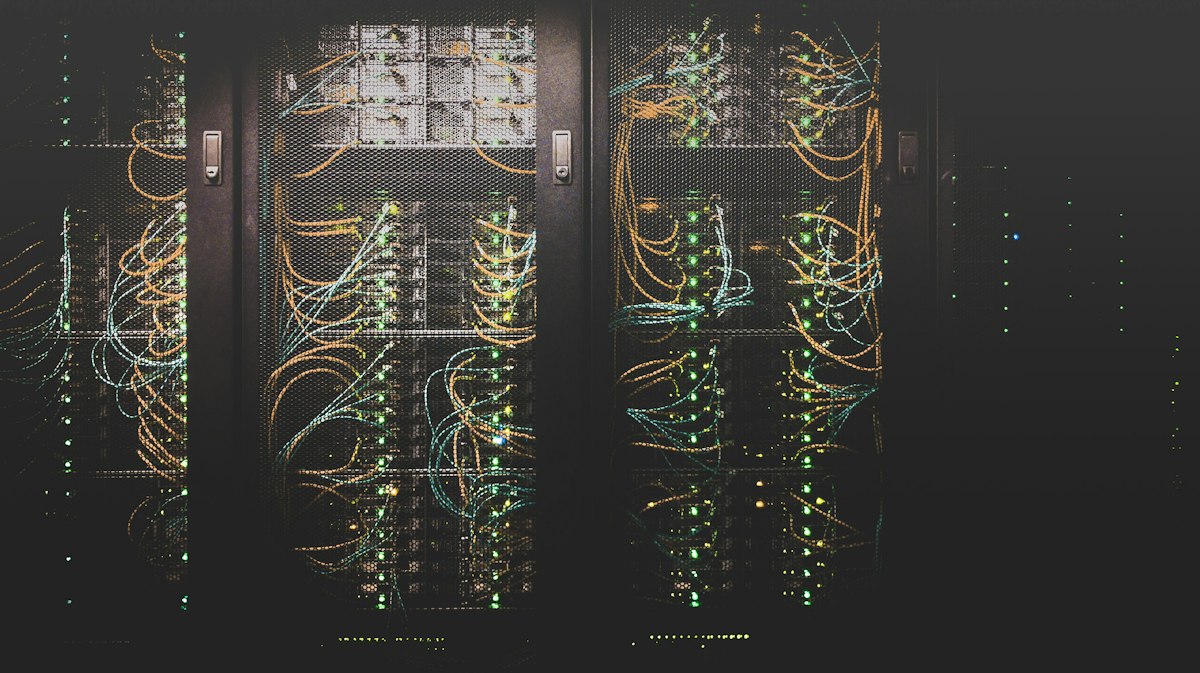
Rust language compiler code terminal visualization
Rust language compiler code terminal visualizationPrimeBitsTech Archive

In mission-critical enterprise systems handling millions of financial transactions or edge proxy requests per second, garbage collection (GC) pauses are an operational liability. A 50-millisecond stop-the-world pause can breach p99 SLA thresholds and trigger automated failovers.

Rust provides the holy grail for enterprise systems architects: memory safety without a garbage collector, enforced at compile time via its affine type system and ownership model.


Advertisement
NeuralCompute Blackwell GPU ClustersSponsor

Enterprise Generative AI Infrastructure with Native RDMA and 99.999% Guaranteed SLA

Related Tags:
#Rust#Enterprise#Systems Programming#Cloud
Shivam Gupta
Written by

Shivam Gupta

Principal Systems Architect & Cybersecurity Editor

Shivam Gupta serves as the principal systems architect and cybersecurity editor for PrimeBitsTech. Specializing in high-concurrency cloud-native ecosystems, zero-trust cryptographic boundaries, and distributed database sharding, Shivam bridges enterprise infrastructure realities with forward-looking engineering paradigms.

Related in Enterprise Software